What Metal Roofing Involves
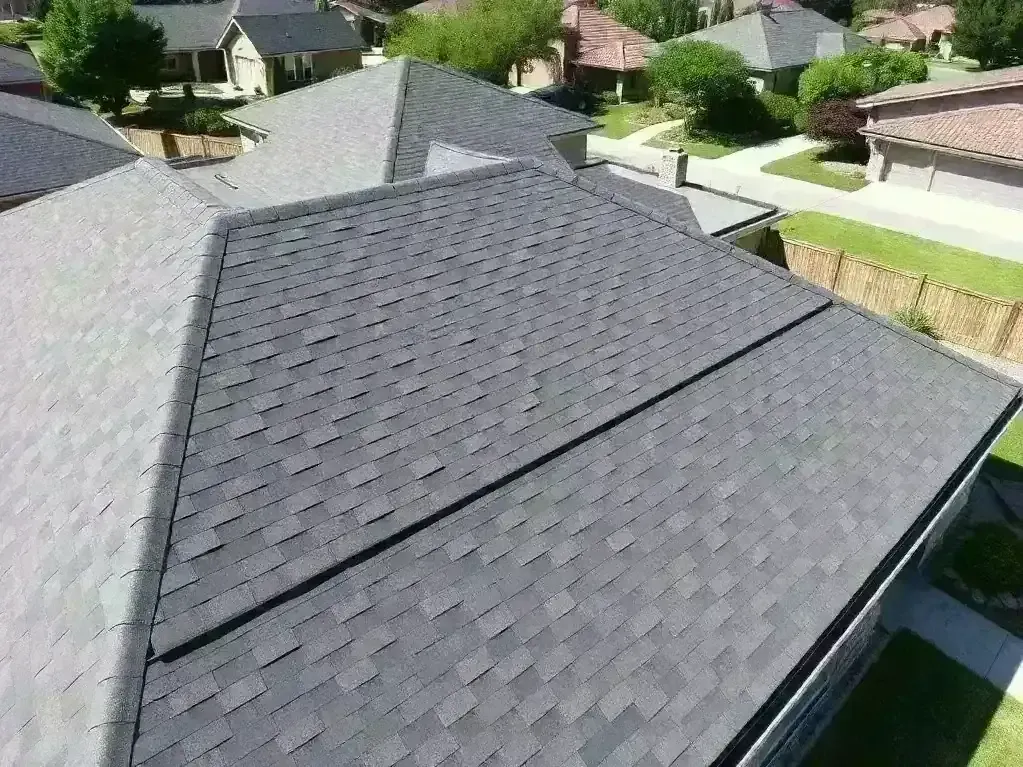
Metal roofing starts with a full tear-off of the existing shingle layers, exposing the roof deck for inspection. We check for rot, decay, or sag — common after 20 years of Dallas heat and spring hail. If the deck is sound, we install a self-adhered underlayment over the entire surface, then run a starter course of panels at the eaves.
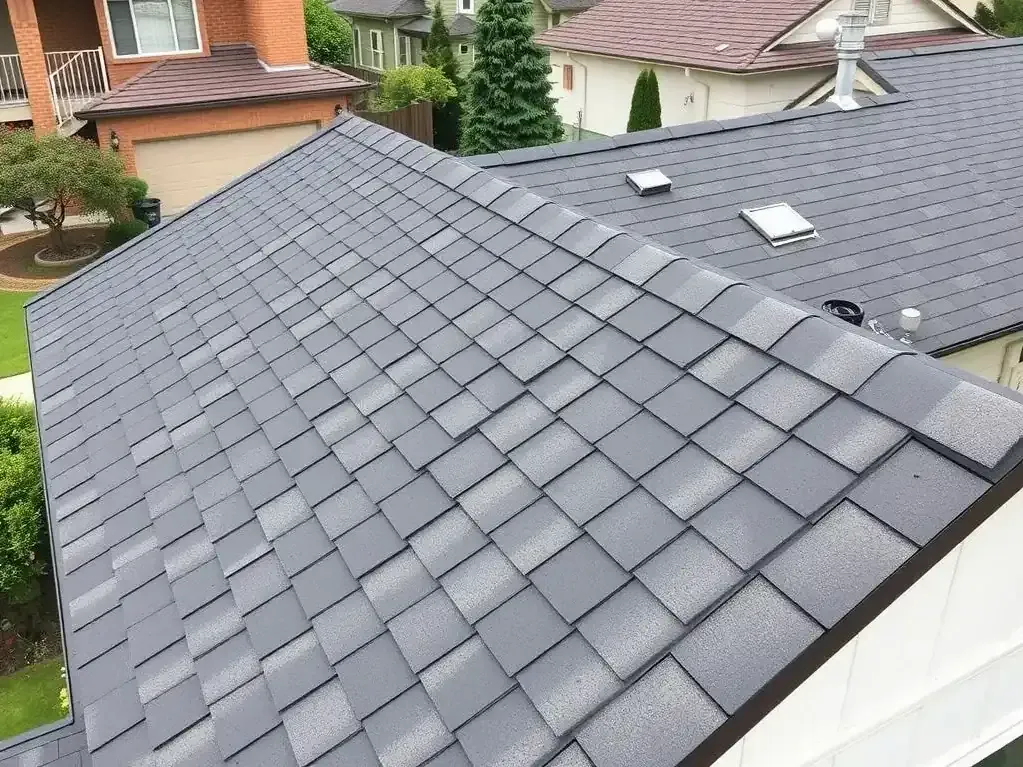
Standing-seam steel is the premium choice: 24-gauge panels with a PVDF finish (like Kynar 500) that resist fading for decades. Exposed-fastener panels cost less but use visible screws with rubber washers that need replacement around year 15. Stone-coated steel mimics the look of tile or shake while keeping the weight down. Aluminum is an option for coastal areas, but in Dallas steel's strength handles hail better.
We use McElroy Metal and ATAS panels, both with proven track records in Texas weather. Each panel is cut on-site, so there are no factory seams to fail. The standing seams are mechanically crimped — no exposed fasteners on the field of the roof. Flashing at valleys, chimneys, and walls is hand-fabricated from the same material, not bent from coil stock.
Signs You Need Metal Roofing
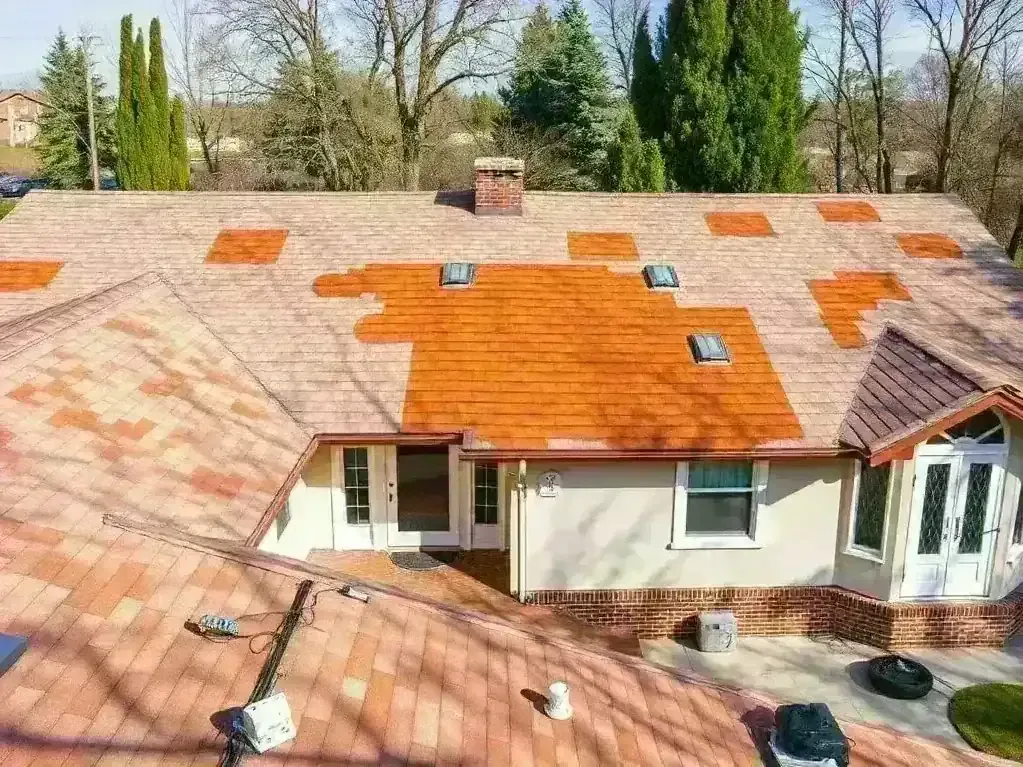
If your current roof is 20 years old and you see shingle granules in the gutters, the asphalt is eroding. Curling or missing shingles after a spring storm mean the protective layer is gone. Attic moisture stains that wick along the decking indicate the underlayment has failed. Ridge sagging or daylight through the decking means the structure itself needs attention — that's beyond a repair.
Metal roofing is the fix for all of these. It doesn't granulate, doesn't curl, and doesn't support algae growth. The panels handle 140 mph wind gusts, and the standing seams keep water out even during a tornado warning. If you're planning to stay in your home for 10+ years, the math works: one metal roof vs. two asphalt replacements.
Our Metal Roofing Process
Step one is a site visit. We measure your roof, check the deck condition, and photograph every problem area. You get a written quote with a line-item breakdown — no vague allowances. Step two is the tear-off and deck repair. We pull all old shingles, nails, and flashing, then replace any rotted decking with new OSB. Step three is the underlayment and panel installation. We use ring-shank nails for the starter course and field courses, with staggered courses to keep the seams tight. Step four is the final walk-through. We sweep for nails with a magnetic roller, verify every seam is crimped, and register your warranty with the manufacturer before we leave.
Cost Considerations in Dallas
Expect to pay between $8 and $15 per square foot for standing-seam steel, installed. That's $16,000 to $30,000 for a typical 2,000-square-foot Dallas ranch. Exposed-fastener panels run $6 to $9 per square foot. Stone-coated steel is the premium option at $12 to $18 per square foot. The higher upfront cost buys 40–50 years of service, plus lower cooling bills — the reflective finish cuts attic temperatures by 25 degrees in July. Financing is available, and we never charge for the estimate.
Warranty & Insurance
Metal roofing carries a 30–50 year manufacturer warranty on the panel finish, and a separate 20–30 year warranty on the labor. We register every install with McElroy Metal or ATAS, so you're covered if the paint flakes or the seams open. If hail damages a panel, we can replace just that panel — the color will still match because the finish is baked on, not painted over. Your homeowners insurance may cover the full replacement cost. We'll document the damage with photos and work with your adjuster directly.
Why Choose Dallas Roof Master for Metal Roofing in Dallas?
We've installed metal roofs across Dallas County, from Highland Park to Oak Cliff. We know the hail patterns that hit I-635 and the wind loads near Love Field. Our crew has handled the 2012 hailstorm aftermath and every spring storm since. We're licensed, insured, and we show up when we say we will. For a free estimate on your metal roof, call 214-286-5623.
Signs You Need Metal Roofing
Granules in Gutters
If you see sand-like granules collecting in your downspouts, the asphalt shingles are eroding. Metal roofing doesn't granulate — it sheds hail and rain without losing material.
Curling or Missing Shingles
After a spring hailstorm, check for tabs that are lifted or gone. Exposed decking lets water seep into the underlayment. Metal panels stay flat and sealed.
Attic Moisture Stains
Brown streaks on the underside of your roof deck mean water is wicking through the shingles. Metal roofing's standing seams keep the deck dry, even in a downpour.
Ridge Sagging
A dip along the ridge line indicates structural rot or decay below the shingles. Metal roofing is lightweight enough to go over a repaired deck without adding stress.
Daylight Through Decking
If you can see light through the roof boards from the attic, the deck has holes or gaps. Metal panels bridge those gaps and seal the envelope completely.
High Energy Bills
An asphalt roof absorbs heat, baking your attic all summer. A reflective metal roof cuts cooling costs by up to 25% — a real saving in Dallas from June through September.
What's Included
- ✓ Free on-site inspection and written quote
- ✓ Photo damage report for insurance claims
- ✓ Full tear-off and deck repair included
- ✓ Manufacturer warranty registration (McElroy Metal, ATAS)
- ✓ Magnetic nail sweep and debris cleanup
- ✓ Dump fees and permit pull included
Related Services
Ready to get started? Call us today at 2142865623 for a free estimate.
☎ Call 2142865623